Tree Growth RatesSearch
moderateFloweringNative

Should You Plant Sweetbay Magnolia?

Magnolia virginiana

Best for homeowners who want a front-yard focal point with real seasonal interest, not a purely utilitarian shade tree.

Sweetbay Magnolia is strongest as a specimen tree near an entry, patio, or street-facing bed where the flowers, canopy shape, and seasonal change can do visible work.

Where It Excels

Sweetbay Magnolia excels in visible, people-facing parts of the yard where ornamental payoff matters more than raw shade production.

Think Twice If

I would skip Sweetbay Magnolia for shaded side yards or spots tucked under larger trees, because it is much more likely to disappoint there than in open sun.

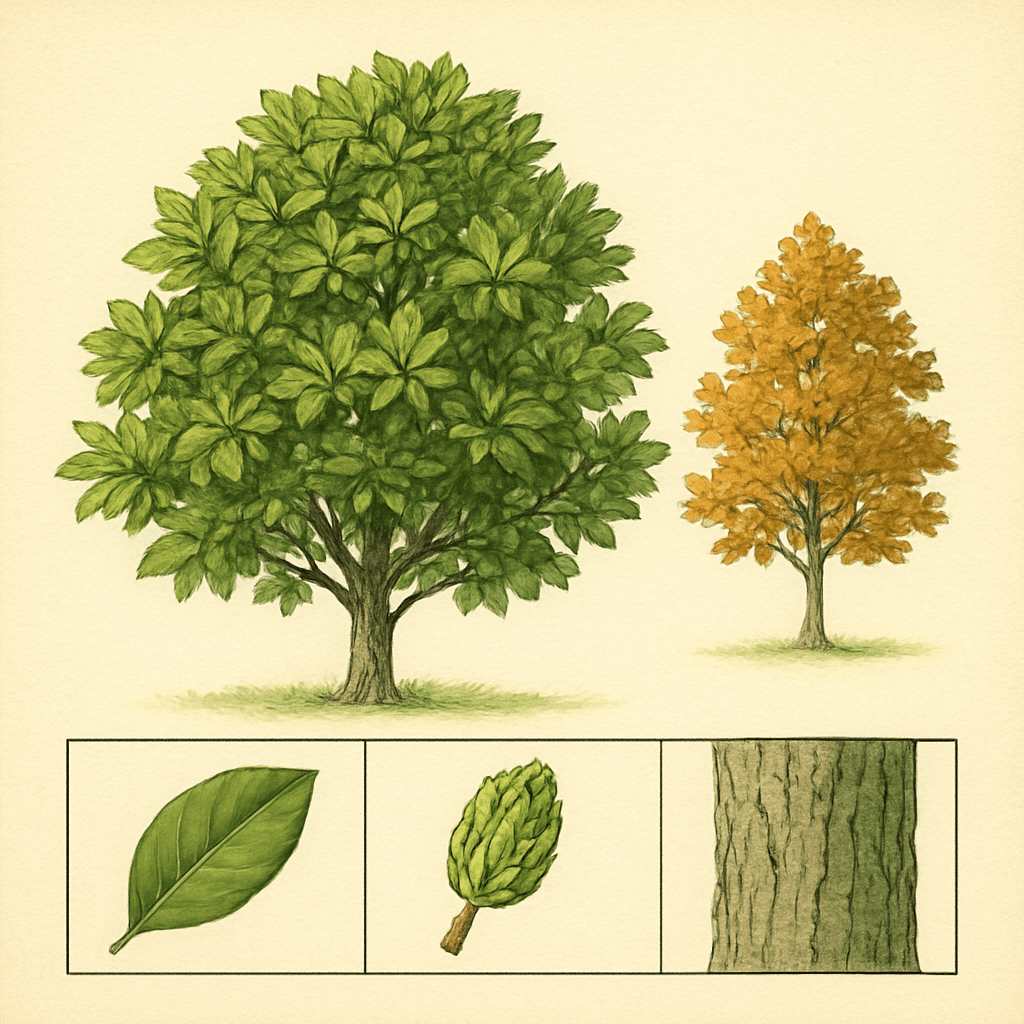
Sweetbay Magnolia
Botanical plate illustration for TreeGrowthRates.com.
Growth rate
1–2 ft/yr (moderate)
Mature height
15–35 ft
Mature spread
10–20 ft
USDA zones
5–10

Height Timeline

How tall will it be when this yard actually has to live with it?

This table shows the estimated height at a few practical checkpoints, based on the current growth-rate estimate and capped at the tree's mature height.

10-Year Check-In
10 ft–20 ft
Useful if you are planning around resale, sightlines, or future shade.
CheckpointEstimated height
5 years5 ft–10 ft
10 years10 ft–20 ft
20 years15 ft–35 ft
30 years15 ft–35 ft
40 years15 ft–35 ft
At maturity15 ft–35 ft

What Growth Looks Like in a Real Yard

Sweetbay Magnolia typically puts on about 1–2 feet per year in decent conditions, which is why the 10-year question matters more than the label alone. In practical terms, that points to roughly 10–20 feet of height within a decade.

That middle pace is often the sweet spot for homeowners who want noticeable growth without feeling like the tree is racing ahead of the space.

Sweetbay Magnolia is not the tree to tuck into a dim leftover corner; if it needs full sun, treat that as a requirement rather than a suggestion.

How we built the estimate

For Sweetbay Magnolia, we pulled together published growth notes from plant references and gardening sources, then reduced them to a working range of 1–2 ft/yr. That range reflects how this tree is typically described in the literature, not a single nursery claim or one idealized number. We currently have 3 growth notes in the mix, including 0 from stronger sources.

Typical yearly growth: 1–2 ft/yr (moderate).

Our working estimate is based on published growth notes gathered across plant references and gardening sources.

Want to see where this number came from?

barelyrooted.com

1–2 ft/yr

Growth Rate: Moderate (1-2 feet per year

Open source

Notes we did not use (2)

NC State Extension

Growth Rate: Rapid

Left out because Qualitative-only evidence.

treegrowthrates.local

Seeded editorial growth label: moderate

Left out because Qualitative-only evidence, Confidence score below inclusion threshold.

Growing conditions

Quick reference for the basic site fit, followed by the limitation that matters most before you plant.

Growth rate
1–2 ft/yr (moderate)
Mature height
15–35 ft
Mature spread
10–20 ft
USDA zones
5–10
Sunlight
full sun; partial shade
Soil
Moist soil; tolerates wet sites
Leaf type
semi-evergreen

Watch Out

Sweetbay Magnolia is not the tree to tuck into a dim leftover corner; if it needs full sun, treat that as a requirement rather than a suggestion.

Sources

Direct references used to compile the fields shown on this page.
If You're Considering Sweetbay Magnolia, Also Look At...

These are not just lookalikes. They overlap on climate or growth profile, but each solves a slightly different homeowner problem.

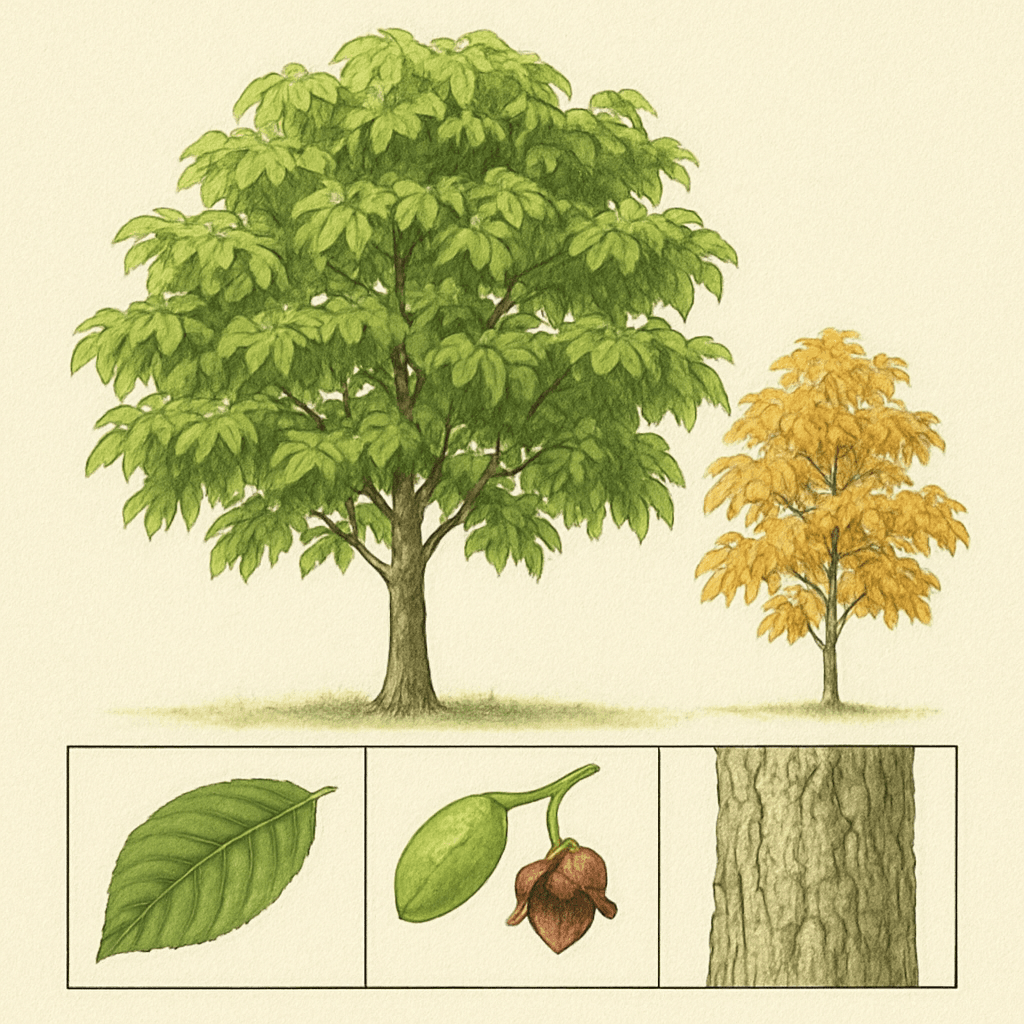
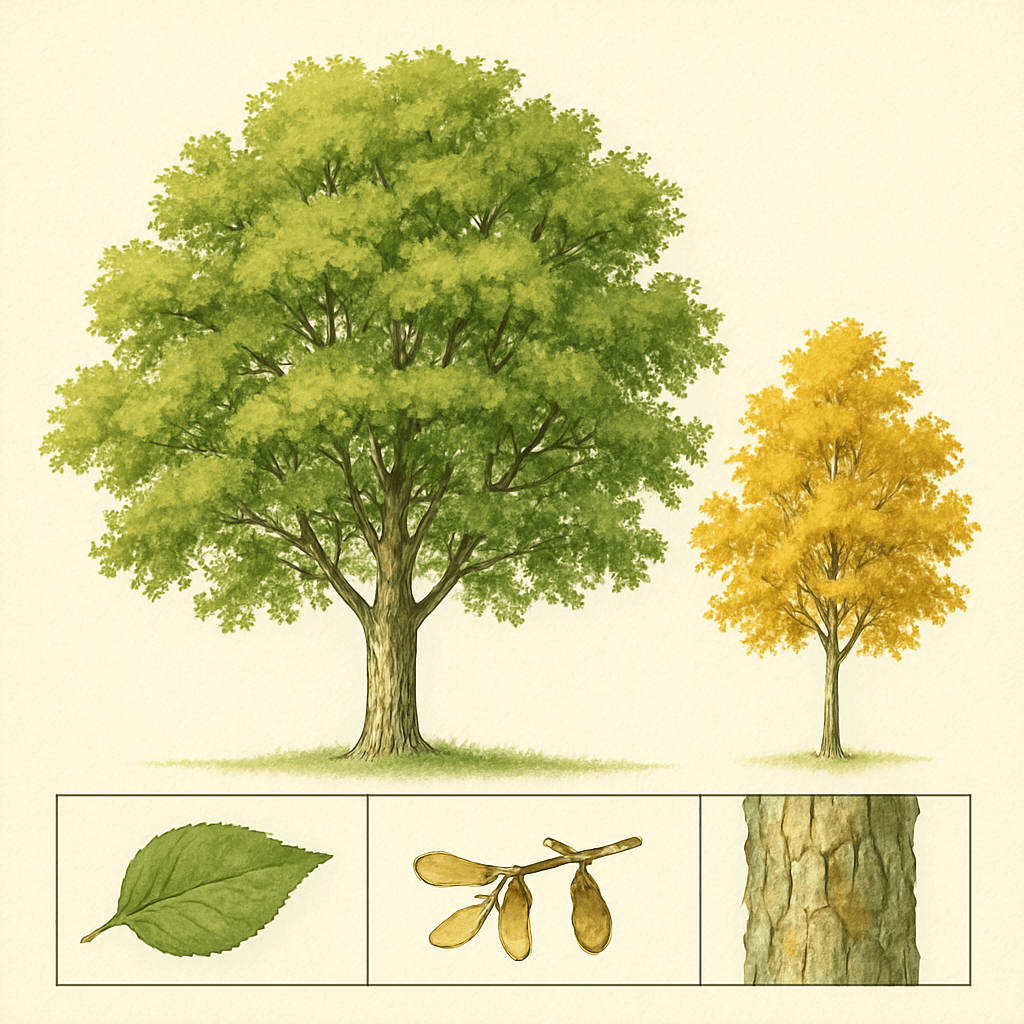
Chinese Elm

Chinese Elm

Ulmus parvifolia

moderate

2–3 ft/yr (moderate) · 40–50 ft tall · Zones 5–10

Best for: shade · ornamental

Chinese Elm is the stronger pick if your real goal is building usable shade rather than making a mostly ornamental statement.

Shared zones: 5–10 · Similar growth pace

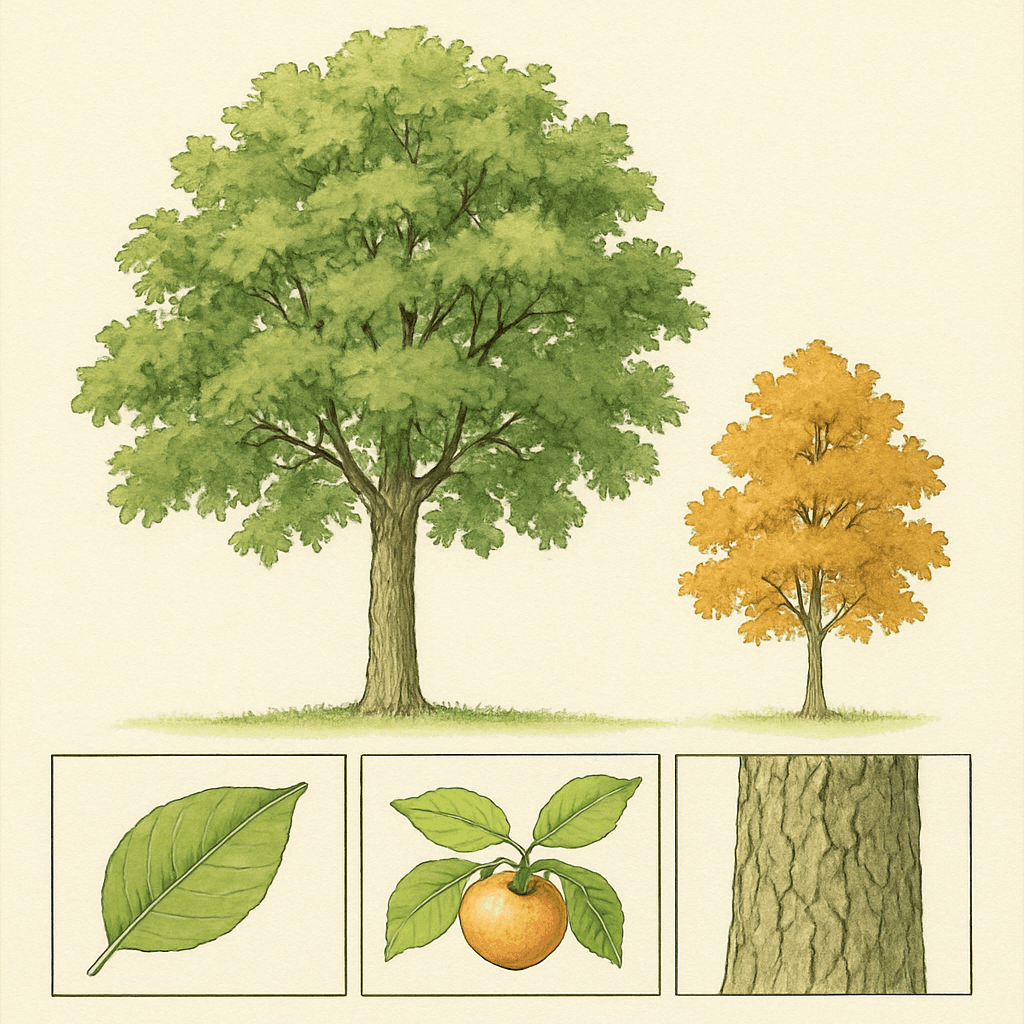
American Persimmon

American Persimmon

Diospyros virginiana

moderate

0.9–2 ft/yr (moderate) · 30–60 ft tall · Zones 4–9

Best for: edible · native

American Persimmon is the one to check if you want ornamental value with edible or wildlife interest layered in.

Shared zones: 5–9 · Similar growth pace

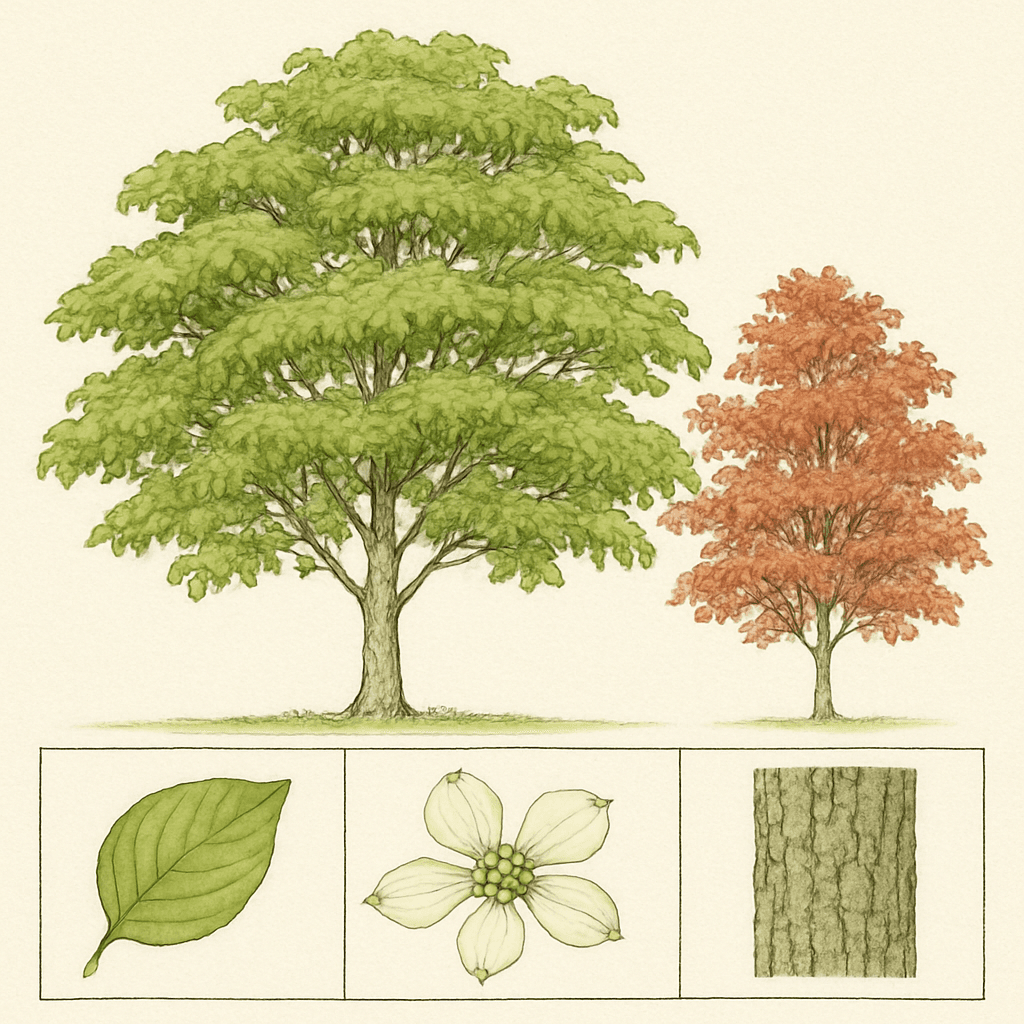
Flowering Dogwood

Flowering Dogwood

Cornus florida

moderate

1–2 ft/yr (moderate) · 15–25 ft tall · Zones 5–9

Best for: flowering · ornamental

Flowering Dogwood is a close climate and growth-rate match, so the decision usually comes down to habit, size, and the role you need the tree to play.

Shared zones: 5–9 · Similar growth pace

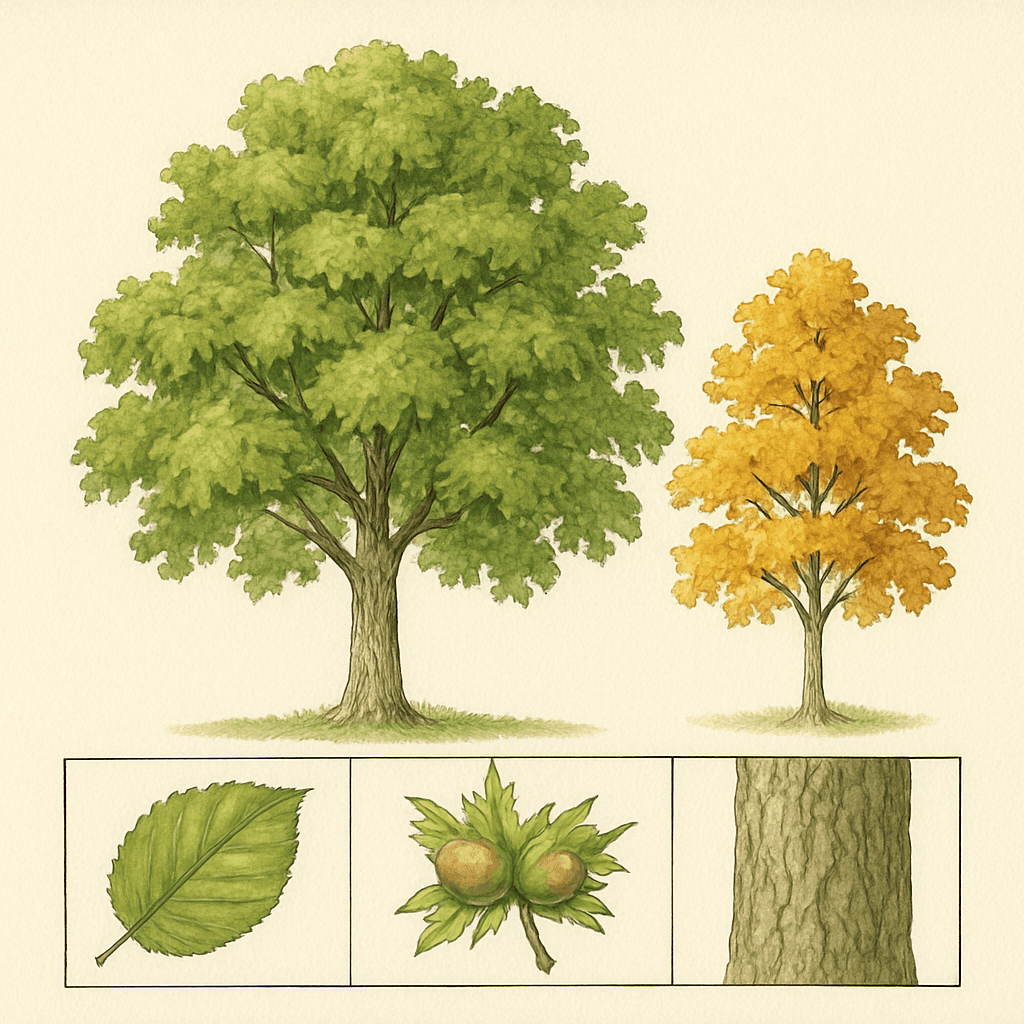
Hazelnut

Hazelnut

Corylus americana

moderate

1–2 ft/yr (moderate) · 8–15 ft tall · Zones 4–9

Best for: edible · native

Hazelnut is the one to check if you want ornamental value with edible or wildlife interest layered in.

Shared zones: 5–9 · Similar growth pace

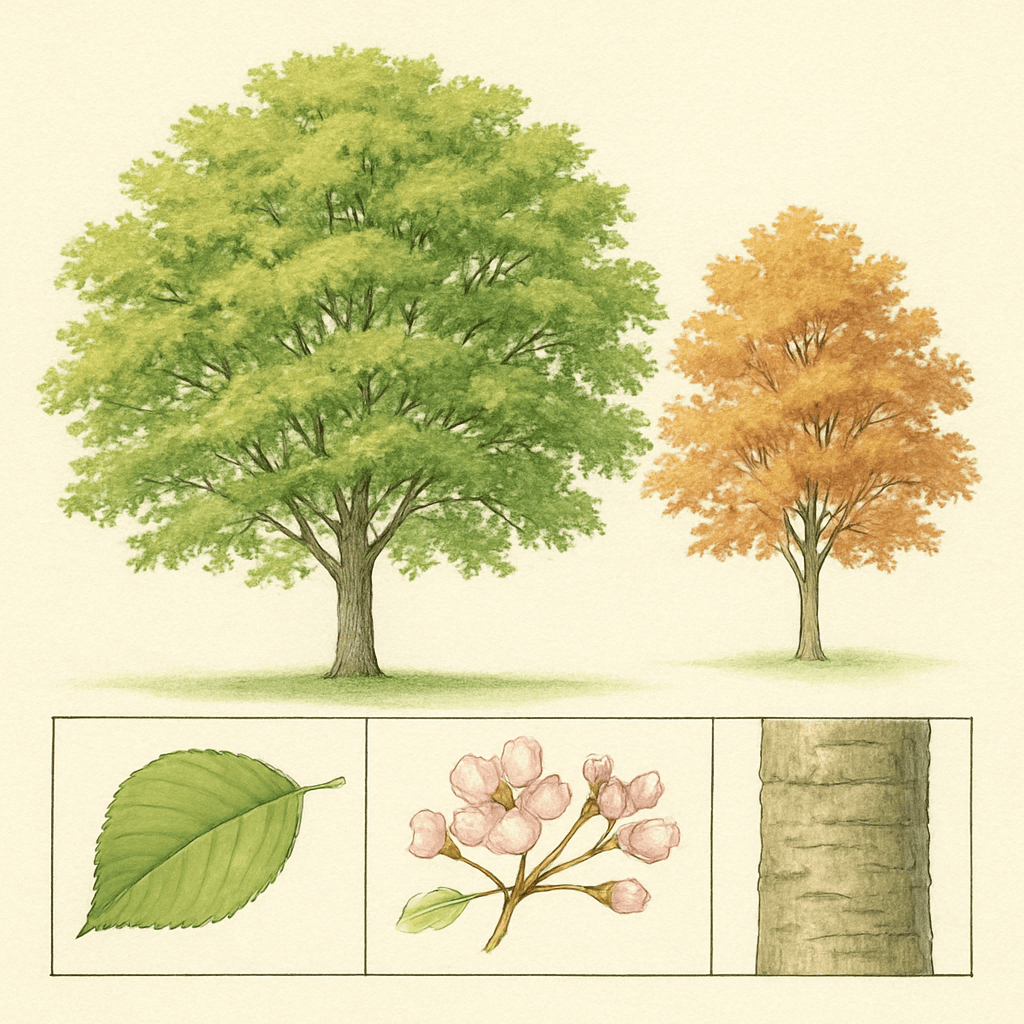
Kwanzan Cherry

Kwanzan Cherry

Prunus serrulata 'Kwanzan'

moderate

1–2 ft/yr (moderate) · 25–40 ft tall · Zones 5–9

Best for: flowering · ornamental

Kwanzan Cherry is a close climate and growth-rate match, so the decision usually comes down to habit, size, and the role you need the tree to play.

Shared zones: 5–9 · Similar growth pace

Pawpaw

Pawpaw

Asimina triloba

moderate

1.5–2 ft/yr (moderate) · 15–30 ft tall · Zones 5–9

Best for: edible · native

Pawpaw is the one to check if you want ornamental value with edible or wildlife interest layered in.

Shared zones: 5–9 · Similar growth pace