Tree Growth RatesSearch
fastPrivacy TreeWindbreak

Eastern White Pine Growth Rate & Planting Guide

Pinus strobus

Eastern White Pine is built for screening. With 2–3 ft/yr growth, it fills in faster than a slow ornamental without jumping straight to an oversized shade tree.

Eastern White Pine is built for screening jobs: property lines, fence softening, or neighbor separation. With a mature spread of 20–40 ft, plant with the final footprint in mind.

Where It Excels

Eastern White Pine excels where you need a greener edge and a sense of enclosure. Reliable in zones 3–8, it reads as landscape rather than a hard barrier.

Think Twice If

I would avoid Eastern White Pine in small urban lots, narrow foundation beds, or under utility lines, because the mature tree wants more room than those sites can honestly give it.

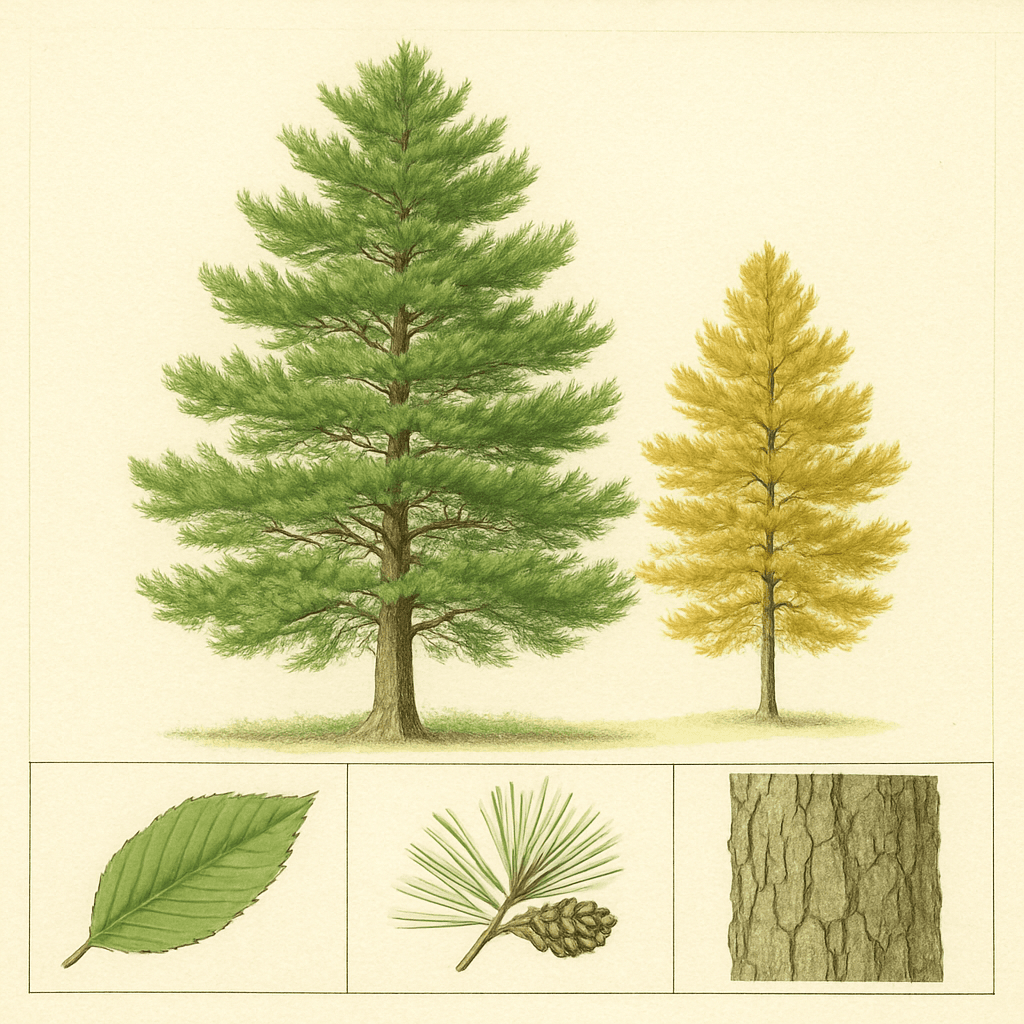
Eastern White Pine
Botanical plate illustration for TreeGrowthRates.com.
Growth rate
2–3 ft/yr (fast)
Mature height
50–80 ft
Mature spread
20–40 ft
USDA zones
3–8

Height Timeline

How tall will it be when this yard actually has to live with it?

This table shows the estimated height at a few practical checkpoints, based on the current growth-rate estimate and capped at the tree's mature height.

10-Year Check-In
20 ft–30 ft
Useful if you are planning around resale, sightlines, or future shade.
CheckpointEstimated height
5 years10 ft–15 ft
10 years20 ft–30 ft
20 years40 ft–60 ft
30 years50 ft–80 ft
40 years50 ft–80 ft
At maturity50 ft–80 ft

What Growth Looks Like in a Real Yard

Eastern White Pine typically puts on about 2–3 feet per year in decent conditions, which is why the 10-year question matters more than the label alone. In practical terms, that points to roughly 20–30 feet of height within a decade.

That quicker pace is useful when you need visible progress, but it is still only valuable if the planting site can handle the mature tree.

Eastern White Pine needs more lateral space than people expect on planting day, so give as much thought to canopy spread as to eventual height.

How we built the estimate

For Eastern White Pine, we pulled together published growth notes from plant references and gardening sources, then reduced them to a working range of 2–3 ft/yr. That range reflects how this tree is typically described in the literature, not a single nursery claim or one idealized number.

Typical yearly growth: 2–3 ft/yr (fast).

Our working estimate is based on published growth notes gathered across plant references and gardening sources.

Want to see where this number came from?

NC State Extension

2–3 ft/yr

“Growth Rate: - Rapid”

Open source

Growing conditions

Quick reference for the basic site fit, followed by the limitation that matters most before you plant.

Growth rate
2–3 ft/yr (fast)
Mature height
50–80 ft
Mature spread
20–40 ft
USDA zones
3–8
Sunlight
full sun; partial shade
Soil
High Organic Matter; Loam (Silt); Sand
Leaf type
—

Watch Out

Eastern White Pine needs more lateral space than people expect on planting day, so give as much thought to canopy spread as to eventual height.

Sources

Direct references used to compile the fields shown on this page.
If You're Considering Eastern White Pine, Also Look At...

These are not just lookalikes. They overlap on climate or growth profile, but each solves a slightly different homeowner problem.

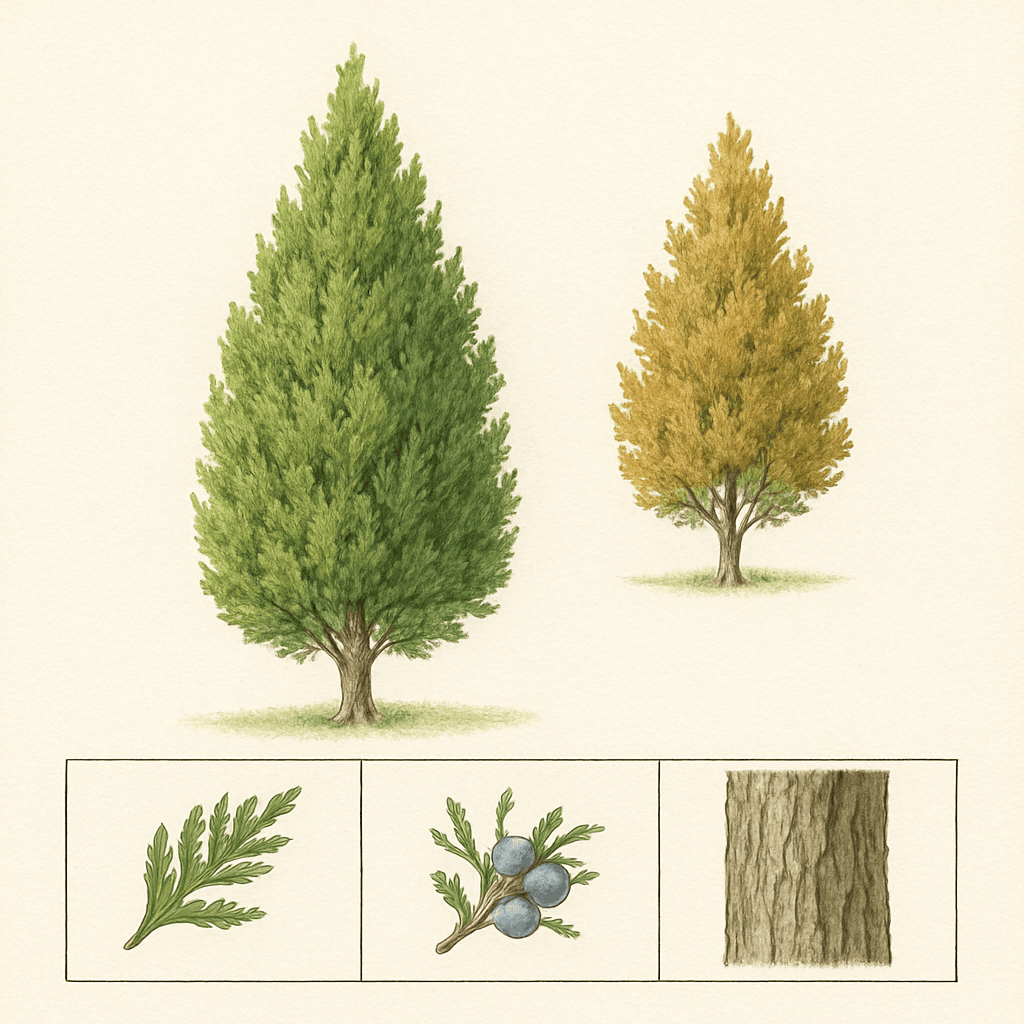
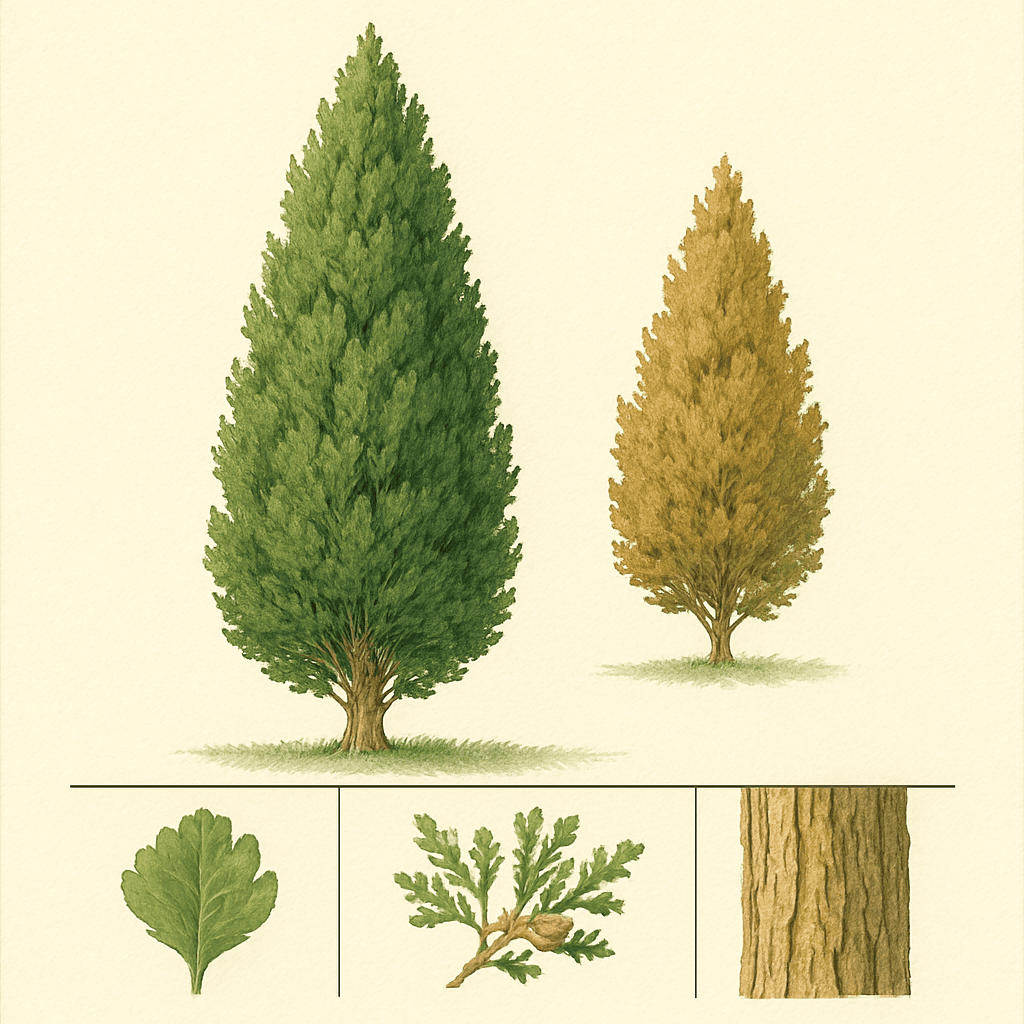
American Pillar Arborvitae

American Pillar Arborvitae

Thuja occidentalis 'American Pillar'

fast

3 ft/yr (fast) · 20–30 ft tall · Zones 3–8

Best for: privacy · windbreak

American Pillar Arborvitae is the more compact alternative if you like this category of tree but need something less imposing at maturity.

Shared zones: 3–8 · Similar growth pace

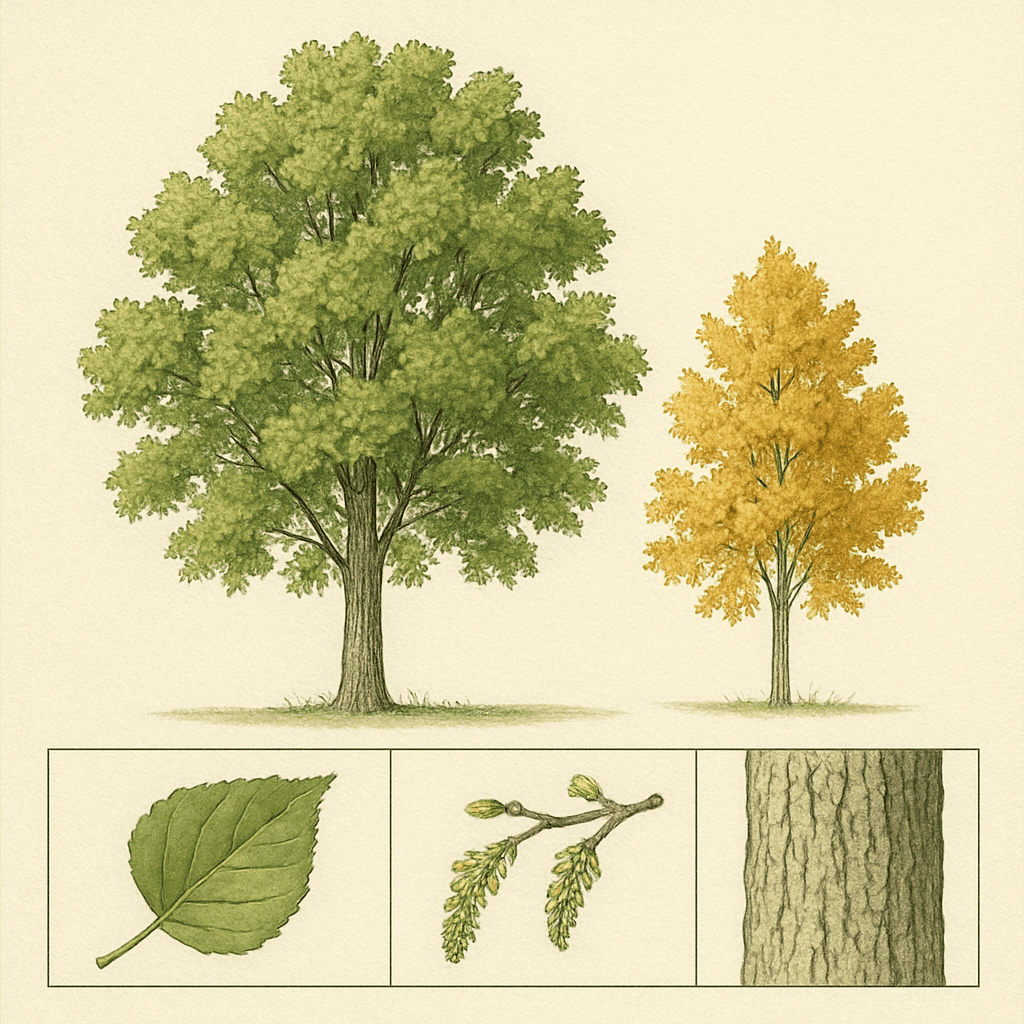
Hybrid Poplar

Hybrid Poplar

Populus deltoides x nigra

fast

2–3 ft/yr (fast) · 40–60 ft tall · Zones 3–9

Best for: privacy · windbreak

Hybrid Poplar is the more compact alternative if you like this category of tree but need something less imposing at maturity.

Shared zones: 3–8 · Similar growth pace

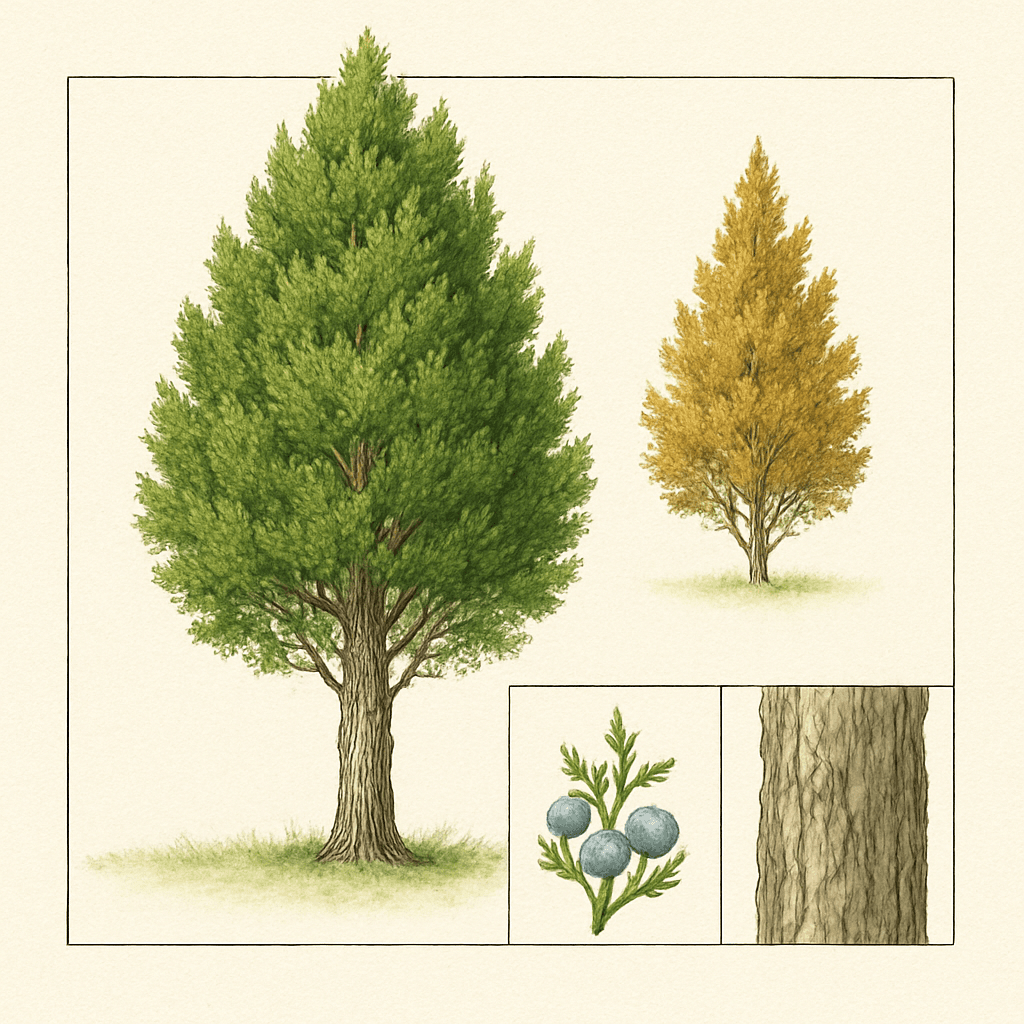
Eastern Red Cedar

Eastern Red Cedar

Juniperus virginiana

moderate

1–2 ft/yr (moderate) · 30–40 ft tall · Zones 2–9

Best for: privacy · windbreak

Eastern Red Cedar is the more compact alternative if you like this category of tree but need something less imposing at maturity.

Shared zones: 3–8

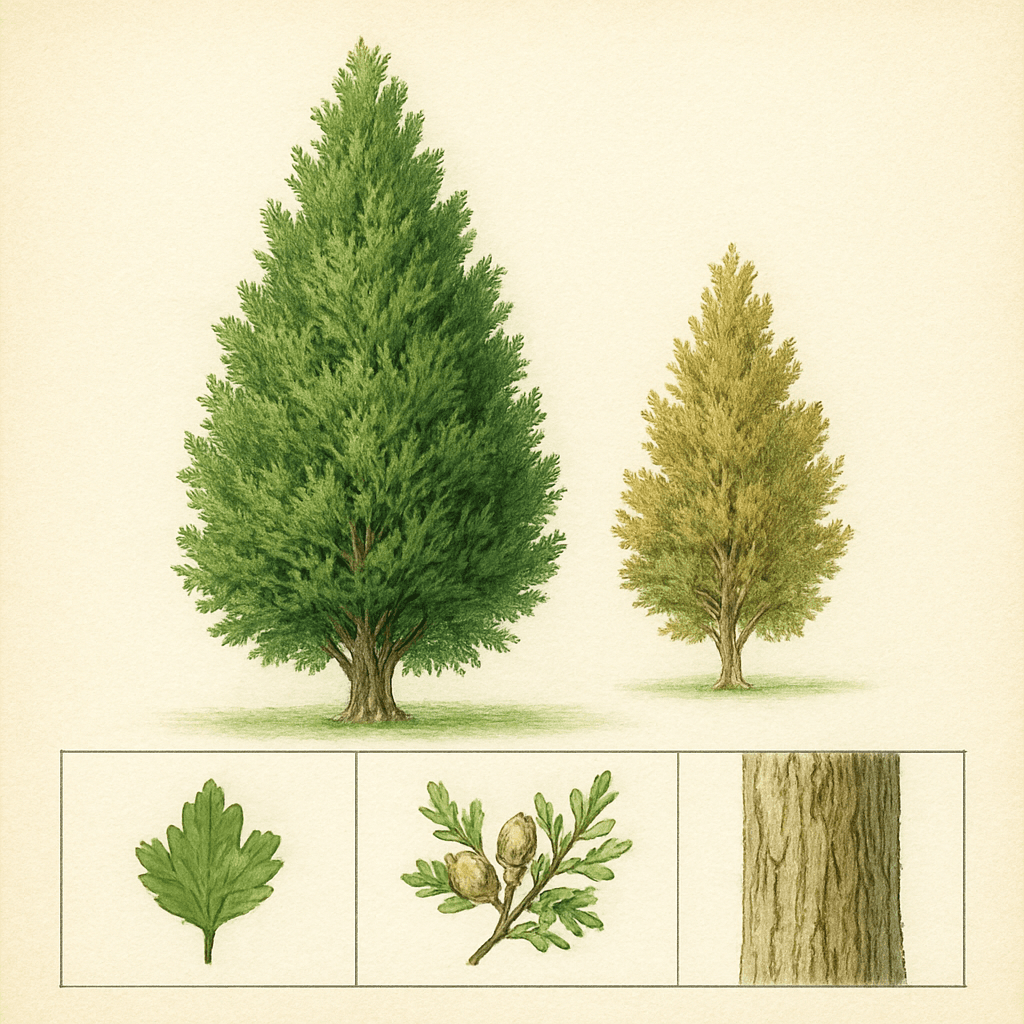
Emerald Green Arborvitae

Emerald Green Arborvitae

Thuja occidentalis 'Smaragd'

moderate

1–2 ft/yr (moderate) · 10–15 ft tall · Zones 3–8

Best for: privacy · windbreak

Emerald Green Arborvitae is the more compact alternative if you like this category of tree but need something less imposing at maturity.

Shared zones: 3–8

Taylor Juniper

Taylor Juniper

Juniperus virginiana 'Taylor'

moderate

1–2 ft/yr (moderate) · 15–30 ft tall · Zones 3–9

Best for: privacy · windbreak

Taylor Juniper is the more compact alternative if you like this category of tree but need something less imposing at maturity.

Shared zones: 3–8

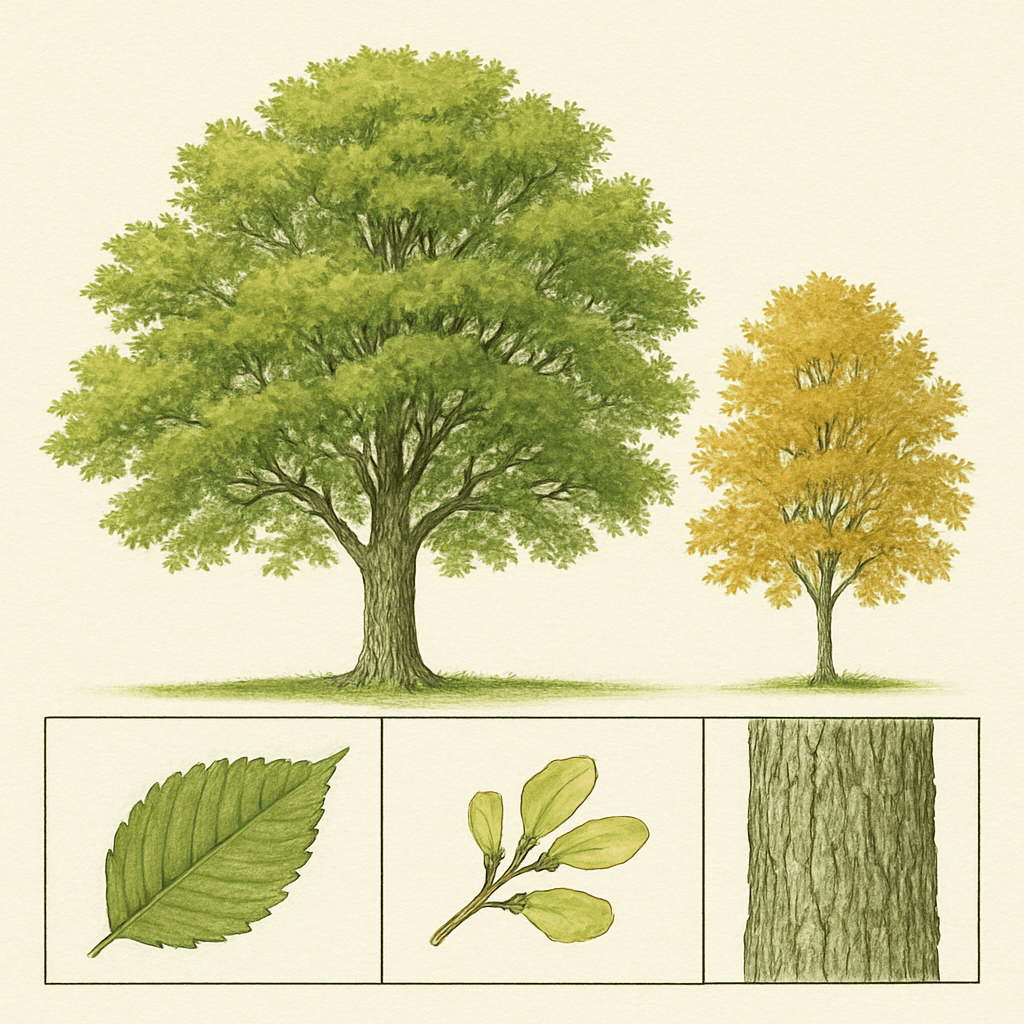
American Elm

American Elm

Ulmus americana

fast

2–3 ft/yr (fast) · 60–80 ft tall · Zones 3–9

Best for: shade

American Elm is the stronger pick if your real goal is building usable shade rather than making a mostly ornamental statement.

Shared zones: 3–8 · Similar growth pace