Tree Growth RatesSearch
fastEdibleOrchard

Should You Plant Contender Peach?

Prunus persica 'Contender'

Best for homeowners who want a landscape tree that earns its keep with seasonal interest and something extra to harvest.

Contender Peach fits best in yards where ornamental value matters, but you also want the tree to contribute food, pollinator support, or multi-season interest.

Where It Excels

Contender Peach excels in multipurpose yards where a tree needs to be attractive first but still offer wildlife or edible value later in the season.

Think Twice If

I would skip Contender Peach for shaded side yards or spots tucked under larger trees, because it is much more likely to disappoint there than in open sun.

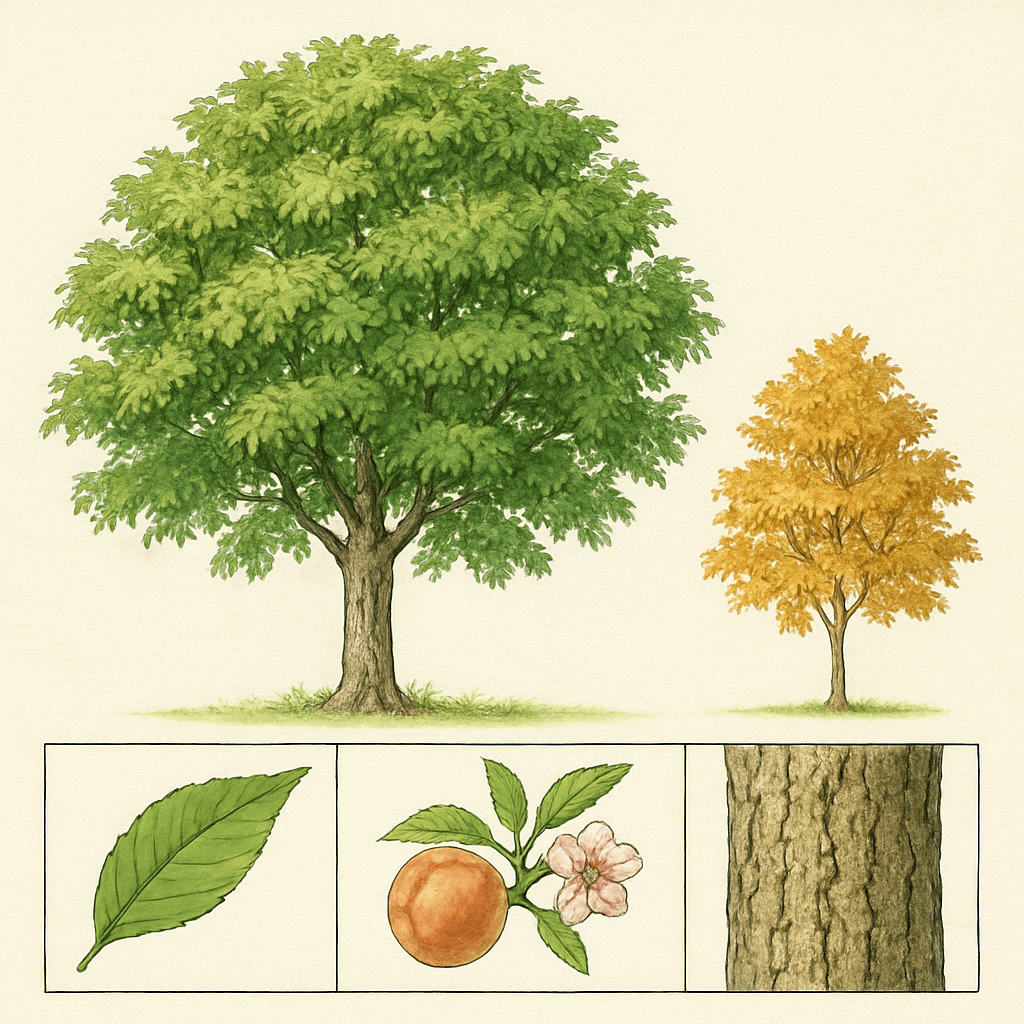
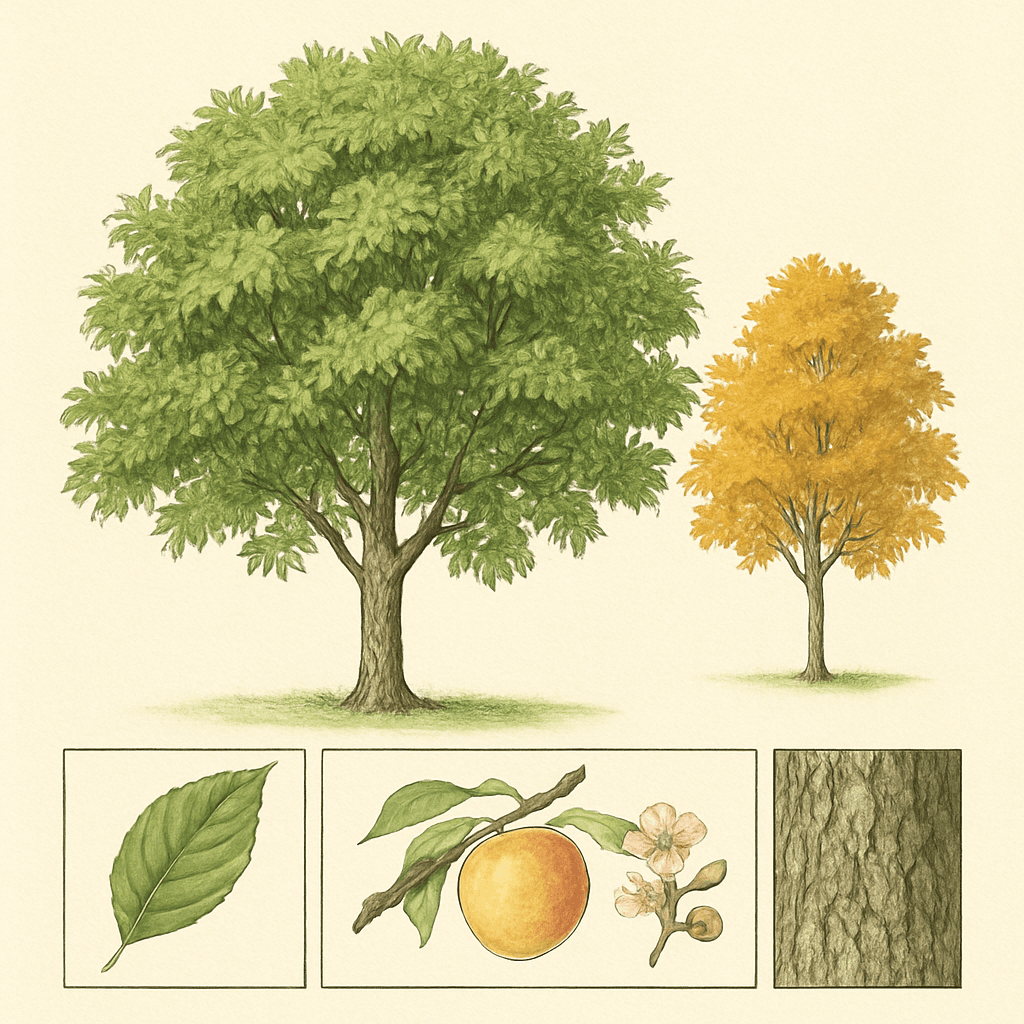
Contender Peach
Botanical plate illustration for TreeGrowthRates.com.
Growth rate
2–3 ft/yr (fast)
Mature height
12–15 ft
Mature spread
12–15 ft
USDA zones
4–8

Height Timeline

How tall will it be when this yard actually has to live with it?

This table shows the estimated height at a few practical checkpoints, based on the current growth-rate estimate and capped at the tree's mature height.

10-Year Check-In
12 ft–15 ft
Useful if you are planning around resale, sightlines, or future shade.
CheckpointEstimated height
5 years10 ft–15 ft
10 years12 ft–15 ft
20 years12 ft–15 ft
30 years12 ft–15 ft
40 years12 ft–15 ft
At maturity12 ft–15 ft

What Growth Looks Like in a Real Yard

Contender Peach typically puts on about 2–3 feet per year in decent conditions, which is why the 10-year question matters more than the label alone. In practical terms, that points to roughly 15 feet of height within a decade.

That quicker pace is useful when you need visible progress, but it is still only valuable if the planting site can handle the mature tree.

Contender Peach is a better choice on draining sites than on wet, heavy ground, so the planting hole matters more here than the nursery tag will usually admit.

How we built the estimate

For Contender Peach, we pulled together published growth notes from plant references and gardening sources, then reduced them to a working range of 2–3 ft/yr. That range reflects how this tree is typically described in the literature, not a single nursery claim or one idealized number. We currently have 3 growth notes in the mix, including 0 from stronger sources.

Typical yearly growth: 2–3 ft/yr (fast).

Our working estimate is based on published growth notes gathered across plant references and gardening sources.

Want to see where this number came from?

barelyrooted.com

2–3 ft/yr

📈 Growth Rate: Fast (2–3 feet per year

Open source

Notes we did not use (2)

NC State Extension

Growth Rate: Rapid

Left out because Qualitative-only evidence.

treegrowthrates.local

Seeded editorial growth label: fast

Left out because Qualitative-only evidence, Confidence score below inclusion threshold.

Growing conditions

Quick reference for the basic site fit, followed by the limitation that matters most before you plant.

Growth rate
2–3 ft/yr (fast)
Mature height
12–15 ft
Mature spread
12–15 ft
USDA zones
4–8
Sunlight
full sun
Soil
Well-drained soil
Leaf type
deciduous

Watch Out

Contender Peach is a better choice on draining sites than on wet, heavy ground, so the planting hole matters more here than the nursery tag will usually admit.

Sources

Direct references used to compile the fields shown on this page.
If You're Considering Contender Peach, Also Look At...

These are not just lookalikes. They overlap on climate or growth profile, but each solves a slightly different homeowner problem.

Kieffer Pear

Kieffer Pear

Pyrus communis x pyrifolia 'Kieffer'

fast

1.5–2.5 ft/yr (fast) · 15–25 ft tall · Zones 4–9

Best for: edible · orchard

Kieffer Pear is a close climate and growth-rate match, so the decision usually comes down to habit, size, and the role you need the tree to play.

Shared zones: 4–8 · Similar growth pace

Reliance Peach

Reliance Peach

Prunus persica 'Reliance'

fast

2–3 ft/yr (fast) · 12–15 ft tall · Zones 4–8

Best for: edible · orchard

Reliance Peach is a close climate and growth-rate match, so the decision usually comes down to habit, size, and the role you need the tree to play.

Shared zones: 4–8 · Similar growth pace

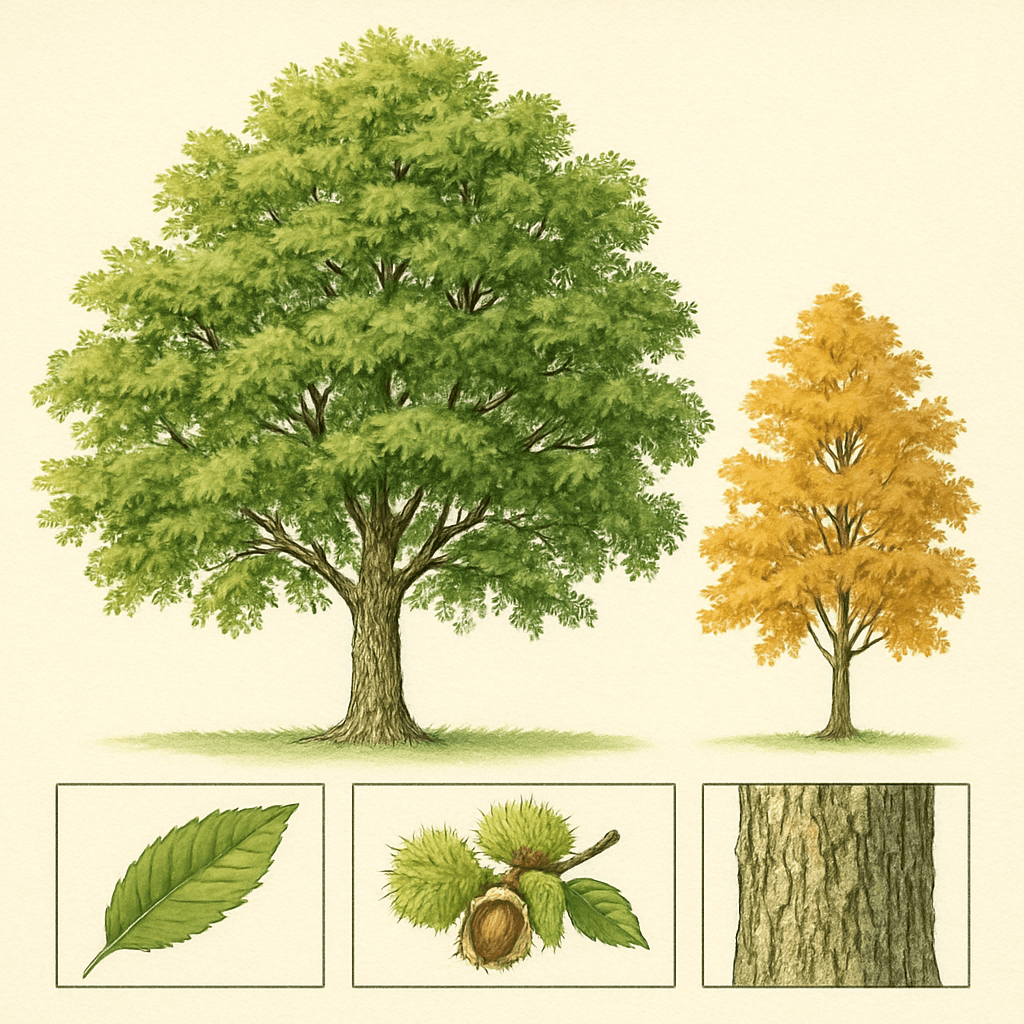
American Chestnut Hybrid

American Chestnut Hybrid

Castanea dentata hybrid

fast

4–7 ft/yr (fast) · 40–60 ft tall · Zones 4–8

Best for: edible · native

American Chestnut Hybrid is worth comparing if you want the same general fit but with more eventual scale and canopy.

Shared zones: 4–8 · Similar growth pace

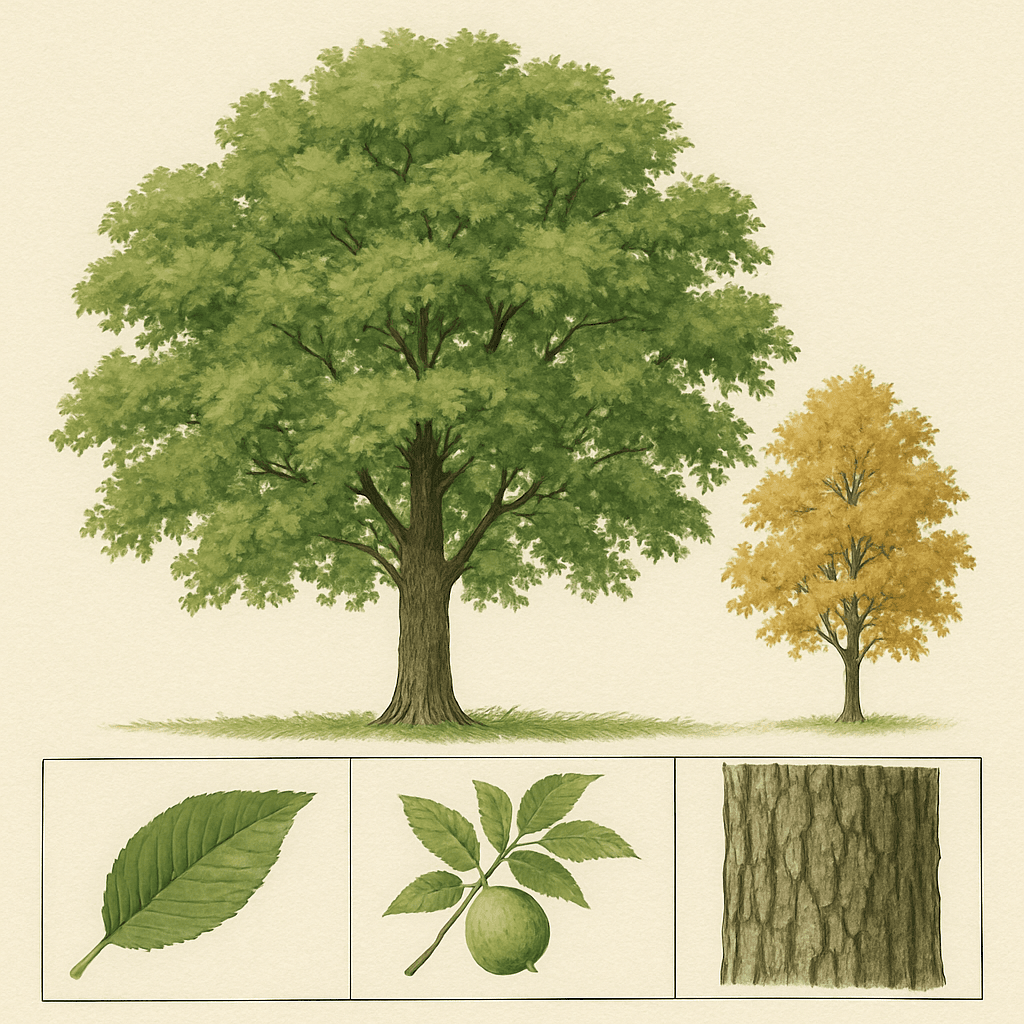
Black Walnut

Black Walnut

Juglans nigra

fast

2–3 ft/yr (fast) · 50–75 ft tall · Zones 4–9

Best for: edible · shade

Black Walnut is the stronger pick if your real goal is building usable shade rather than making a mostly ornamental statement.

Shared zones: 4–8 · Similar growth pace

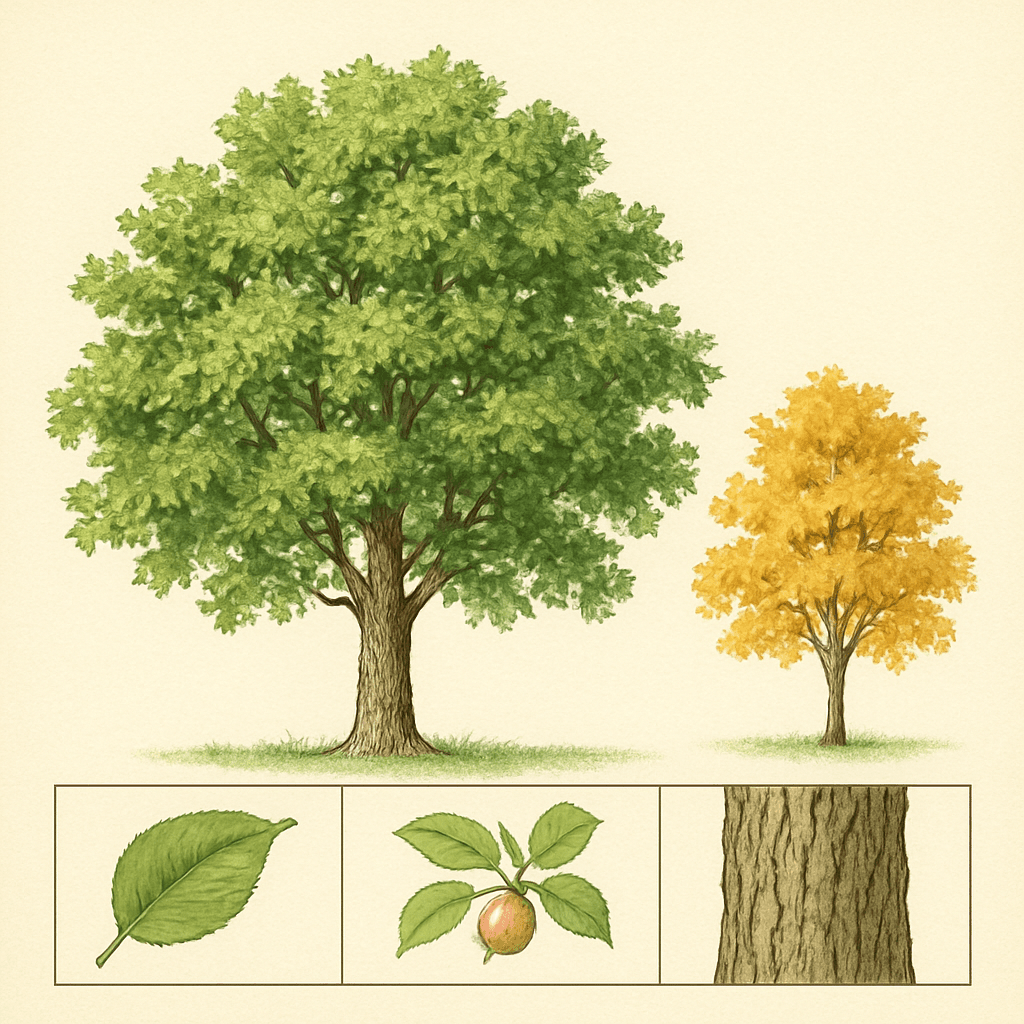
Liberty Apple

Liberty Apple

Malus domestica 'Liberty'

moderate

1–2 ft/yr (moderate) · 12–18 ft tall · Zones 4–8

Best for: edible · orchard

Liberty Apple overlaps well on zone fit, but it gives you a meaningfully different option for size, use case, or landscape character.

Shared zones: 4–8

American Elm

American Elm

Ulmus americana

fast

2–3 ft/yr (fast) · 60–80 ft tall · Zones 3–9

Best for: shade

American Elm is the stronger pick if your real goal is building usable shade rather than making a mostly ornamental statement.

Shared zones: 4–8 · Similar growth pace